Finding the best LED work lights for snow plows and winter trucks is critical to avoiding operational failure. Standard LEDs run cool, allowing lens icing that can block up to 70% of light output. This failure point leads directly to safety incidents and costly downtime during a storm.
This analysis benchmarks lights against the essential winter-performance standard: an integrated heated lens and a minimum IP67-rated aluminum housing. We evaluate models based on their certified -40°C operation to help you source equipment that functions reliably through the most severe conditions.
Introduction: Winter Plowing Visibility Challenges
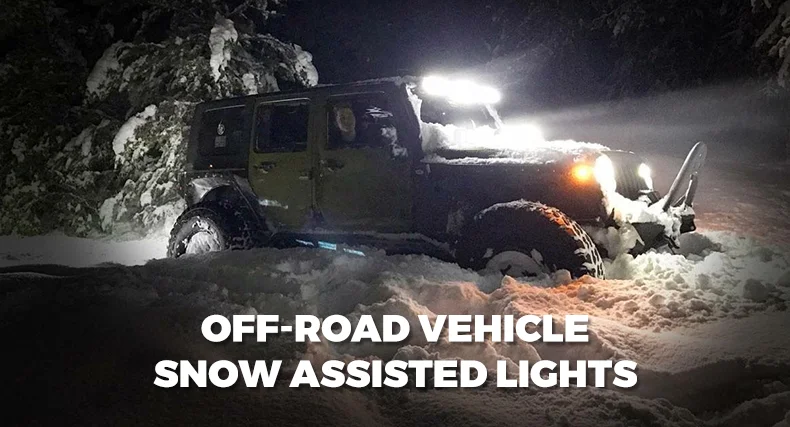
During winter plowing, visibility fails because of the environment, not bulb quality. Snow and ice can physically block 40-70% of light from cool LED lenses, while glare from thrown snow blinds the operator.
How Snow and Ice Obstruct Light Output
Standard LED lights run cool. Unlike old halogen bulbs that generated enough heat to melt snow, an LED’s operating temperature allows wet snow and freezing rain to stick directly to the lens during a storm. This isn’t a minor issue—the buildup can physically block between 40% and 70% of the light’s total output, making the initial brightness rating irrelevant.
The problem is compounded by glare. As the plow blade does its job, it throws reflective snow powder into the air, directly in the path of the light beam. This creates a disorienting whiteout effect for the operator, right when clear sight lines are most critical.
Solving Buildup with Snow-Melting Covers
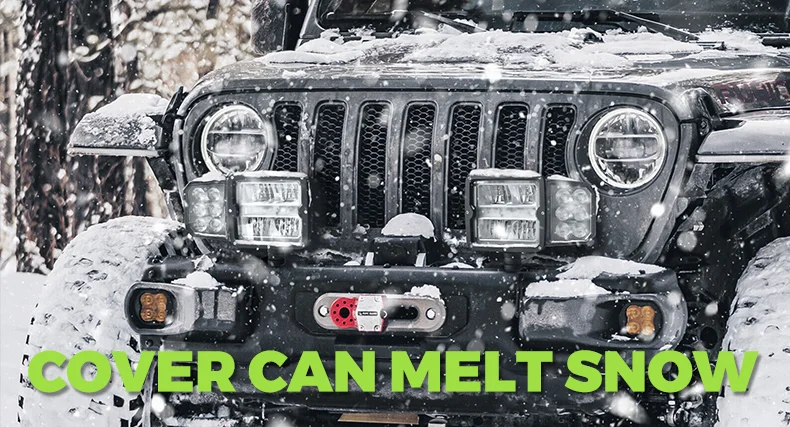
The only reliable way to counter lens obstruction is to prevent ice from forming. Effective winter lights integrate technology like a heated snow-melting cover that actively warms the lens surface. This ensures ice and snow can’t stick, maintaining a clear and consistent beam through the worst conditions.
Keeping the lens unobstructed is the key to dependable performance. It’s a mandatory feature for equipment that needs to operate reliably in extreme temperatures, from -40°C to 80°C. Without it, you’re just installing a light that’s guaranteed to fail when you need it most.
Key Specs for Winter-Ready Work Lights
Sealing and Thermal Performance
Two things kill lights in the winter: moisture intrusion and lens icing. Salt spray and slush find any weakness in a housing, so a high Ingress Protection (IP) rating isn’t optional. We build our lights to a minimum of IP67, which guarantees they are sealed against water, corrosive salt, and fine dust.
The other major issue is ice buildup. Standard LEDs run cool, which allows snow and ice to cake onto the lens. During a storm, this can block 40-70% of the light’s output, making the light almost useless. Features like heated lenses are necessary to melt accumulation and keep the beam clear.
Reliable Operation from -40°C to 105°C
A light that won’t turn on in extreme cold is a liability. Our work lights are built with IP67 and IP68 ratings, providing full protection against high-pressure washing and even temporary submersion in slush or water. They are engineered to function reliably across a wide temperature range, from -40°C all the way up to 105°C. This ensures they start up instantly and maintain stable performance, no matter how severe the winter conditions get.
High-Performance LED Lights for Demanding Environments
Best Mounting Positions on Plow Trucks
Core Principles: Hitch Connection and Blade Alignment
Before you even think about lights, the plow itself has to be set correctly. The entire assembly connects to the front receiver hitch—that’s the only secure point of contact. You need to set the blade height about 1 to 2 inches below the truck’s bumper. This gives it enough clearance to function without hitting the truck or missing the snow. The blade also must be perfectly level. If it’s not, you’ll get uneven snow removal and risk damaging the equipment or the road surface.
Light Durability: Aluminum Housings and Secure Brackets
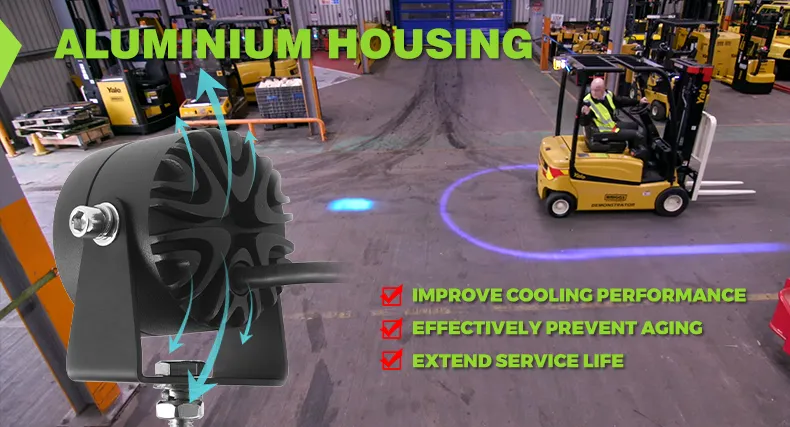
Any light mounted on a plow truck takes a constant beating from shock and vibration. That’s why the housing material is non-negotiable. We use a combination of Aluminum Housing and an ABS Base to protect the internal LED chips and circuitry. A light is useless if the mounting bracket fails, so a complete installation kit with high-strength brackets and screws is essential to keep the light fixed and aimed correctly. Finally, any light used for plowing must have an IP67 or IP68 rating. This ensures it’s sealed against moisture from snow, slush, and corrosive salt spray.
Wiring & Mounting Tips for Removable Plows
Securely fasten the plow mount and push tube to the vehicle’s frame. Connect the electrical system using a dedicated harness that plugs into the factory headlight socket.
Steps for Secure Mechanical Mounting
The installation starts with the core structure. Attach the main plow mount directly to your vehicle’s frame using the provided mounting brackets and bolts. Make sure every connection is tightened securely, as this is the foundation for the entire assembly.
Next, install the push tube. This component connects the plow blade assembly to the vehicle mount you just installed. Align it carefully and secure it with the supplied pins or bolts. The push tube takes the full force of the plowing action, so there can’t be any movement or play in the connection.
Finally, align the plow blade with the push tube and fasten all the hardware. Double-check that the blade is positioned correctly for proper snow removal and that every connection is tight to prevent wobbling or structural failure during operation.
Using the Wiring Harness for Clean Connections
The electrical setup for removable plows is designed to be straightforward. The system relies on a vehicle-specific wiring harness that simplifies connections. You unplug the factory headlight, connect the plow’s harness to the headlight socket, and then plug the factory headlight connector into the plow harness. This setup ensures your vehicle and plow lights work correctly without complex splicing.
The harness typically includes a single red wire. This wire needs to be connected to a 12V switched source—a circuit that is only active when the ignition is on. This is a critical step to prevent the plow’s electrical system from draining your vehicle’s battery when it’s parked.
Once everything is connected, run all wiring through any designated guides on the plow mount or vehicle. Keeping the wires organized and secured protects them from getting pinched, cut, or damaged by moving parts during operation or when you attach and detach the plow.
Maintenance: Preventing Ice, Snow, and Corrosion
Maintenance means choosing lights built for winter. Heated lenses stop ice, while IP67/IP68 sealed aluminum housings block corrosive salt and moisture to prevent failures.
Guarding Against Salt, Moisture, and Buildup
Salt spray and moisture are the biggest enemies of vehicle lighting in winter. They lead to corrosion and electrical shorts that can take a light out of service. During a storm, ice and snow can build up on a lens and block 40-70% of the light output, which is a serious safety hazard.
Operators should regularly clean their lights and check that all seals are intact. This simple routine helps maintain performance and gets more life out of the equipment.
Engineered for Winter: IP Ratings and Heated Lenses
You can’t just clean your way out of a blizzard. The equipment itself has to be designed for the job. Our lights with IP67 or IP68 ratings feature sealed aluminum housings that completely prevent moisture and salt from getting inside.
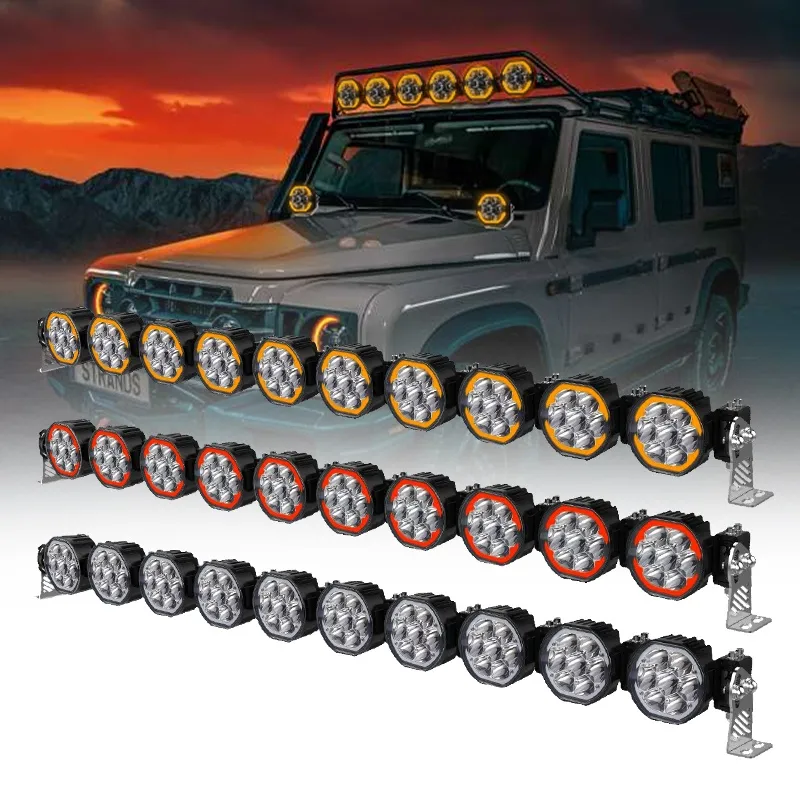
Specific models, like our 1314A, come equipped with a snow-melting cover or heated lens function. This feature actively keeps the lens clear of ice, so you always have maximum light output. We also add extra layers of defense with durable surface coatings like electrophoresis and UV protection to fight off corrosion from road treatments.
Final Buying Checklist for Winter Operators
Your final checklist must cover four key areas: beam performance, heated lens functionality, high IP-rated durability, and essential safety certifications like DOT for reliable operation.
Before you sign a purchase order for new snow plow lights, run every potential model through this final check. Getting this wrong means downtime and safety risks when the first storm hits. Getting it right means your fleet stays on the road, clearing snow safely.
Assessing Core Performance and Durability
The light needs to perform its basic function flawlessly and survive the brutal physical environment of a plow truck. Look past the lumen numbers and check the actual build quality.
- Beam Functionality: Confirm the unit has dedicated high and low beam functions. You need both for changing visibility and road conditions.
- Construction Materials: The housing must be rugged aluminum, not plastic. The lens needs to be a shatterproof polycarbonate to resist impacts from ice and debris.
- Sealing and Protection: An IP67 rating is the absolute minimum. This ensures it’s sealed against dust and can handle immersion in water, slush, and salt spray. IP68 provides even better protection.
- Vibration Resistance: Standard automotive lights fail under the constant shock of plowing. Check that the light is specifically rated to withstand heavy equipment vibration.
Confirming Winter-Specific Features and Compliance
Features designed for cold weather aren’t optional—they are essential for maintaining light output. Compliance ensures the product is legal for road use and meets established safety standards.
- Heated Lenses: This is non-negotiable. LEDs run cool, so ice builds up fast. Prioritize models with integrated heated lenses or snow-melting covers, like our 1314A series, to keep light output consistent.
- Operating Temperature: Verify the light can function reliably in extreme cold. A wide operating range, such as -40°C to 80°C, guarantees performance during deep freezes.
- Certifications: The product must hold key certifications like DOT, ECE, and EMC. These prove the light is street-legal, safe, and won’t interfere with other vehicle electronics.
- Voltage Compatibility: Ensure the light’s voltage range (e.g., 10-32V DC) matches your vehicle’s electrical system to avoid installation problems or damage.
Frequently Asked Questions
What is the best color light for snow plowing?
Warm white or amber light, within the 2500–4000K color temperature range, is ideal for snow plowing. This color penetrates falling snow and fog with less glare compared to cooler white lights. For maximum visibility in white-out conditions, amber strobes are highly effective. Using lights with heated lenses is also critical to prevent ice from blocking the beam.
Where should lights be mounted on a plow truck?
Mount work lights high on the cab corners, near the A-pillars, and above the salt spreader to ensure 360-degree visibility. Headlights must be mounted between 22 and 54 inches from the ground. Placing a light bar above the cab helps the light beam project over any snow turbulence created by the plow blade.
How do I prevent snow and ice buildup on my plow lights?
The most reliable solution is to install LED lights with integrated heated lens technology. These systems use sensors to automatically warm the lens and melt away snow and ice, keeping the light clear. This feature is essential for modern LEDs, which do not produce enough waste heat to melt ice on their own.
Will road salt and de-icing brine damage LED lights?
Yes, salt and brine are extremely corrosive and can damage light housings and brackets over time. To avoid this, select lights with a high waterproof rating like IP67 or IP68, built from durable materials such as aluminum alloy with a protective coating. Regular cleaning after use helps extend their operational life.
Final Thoughts
Generic plow lights might lower your initial invoice, but they create costly warranty claims when they ice over in the first storm. Our standard—IP67 sealed aluminum housings with integrated snow-melting covers—is the only spec that guarantees performance. Stocking reliable equipment protects your reputation and secures repeat business.
Don’t guess on winter-readiness—prove it to your customers. We recommend starting with a sample order of our 1314A series to test the build quality and heated lens function firsthand. Contact our team to get a quote and discuss your private label requirements.