A clear forklift warning systems comparison is the critical step between maintaining a safe warehouse floor and facing severe operational downtime from a preventable accident. In high-traffic facilities, the ambient noise and visual clutter can easily overwhelm a single warning method, turning blind corners and busy intersections into high-risk zones. As an experienced led work light manufacturer, Best Auto Lamp provides reliable forklift safety lighting solutions.
This guide provides a technical breakdown of the three core warning technologies: visual lights, audible alarms, and proximity sensors. We analyze the specific strengths and limitations of each system in different operational environments. The goal is to equip you with a standard procedure for selecting a system based on your warehouse size, traffic density, and specific risk factors.
Forklift Accidents and the Need for Warning Systems
Forklift incidents are a frequent and costly operational risk, yet data shows most are preventable, making active warning systems a critical investment for modern warehouse safety and efficiency.
Analyzing the High Rate of Preventable Forklift Incidents
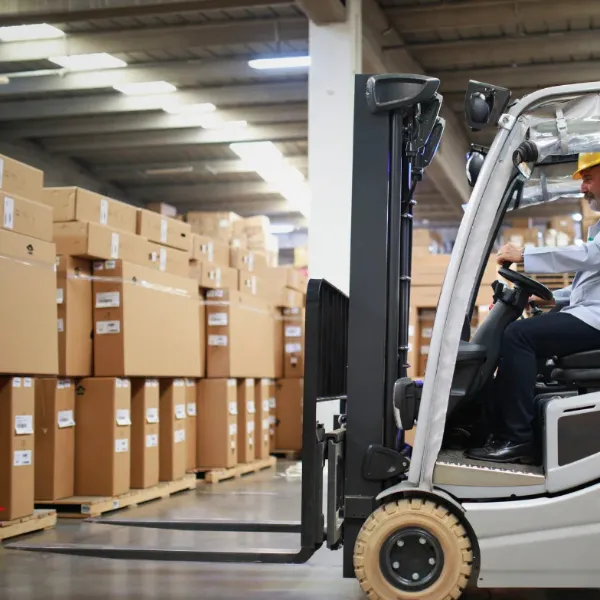
Workplace data reveals a persistent safety challenge: approximately 11% of all forklifts are involved in an accident each year. Pedestrians are particularly vulnerable, accounting for nearly 20% of these incidents. The critical takeaway from OSHA analysis is that 70% of these accidents are preventable with the right equipment and safety protocols. Common root causes point directly to operational gaps, including poor visibility in crowded environments and a lack of real-time coordination between vehicle operators and workers on the warehouse floor.
Limitations of Human-Dependent Safety Protocols
Conventional safety measures, such as operator training, painted walkways, and posted signage, are foundational but incomplete. Their effectiveness depends entirely on consistent human compliance and attention, which can falter in fast-paced or complex environments. These passive methods lack any real-time operational visibility. They cannot alert anyone to a near-miss or unsafe behavior as it happens, allowing risky patterns to continue unreported until a serious accident finally occurs.
Shifting from Reactive to Proactive Safety with Technology
Technology moves warehouse safety from a reactive to a proactive model. Active warning systems use a combination of bright visual lights, audible alarms, and proximity sensors (ultrasonic, radar, LiDAR) to provide immediate, unmistakable alerts to both operators and pedestrians. When integrated with Real-Time Location Systems (RTLS), facilities can gather operational data to generate predictive safety insights. This approach yields measurable results, with facilities using integrated safety technology reporting up to a 40% reduction in forklift-related incidents within the first six months of implementation.
Overview of Forklift Warning Technologies (Lights, Alarms, Sensors)
Forklift warning systems combine visual, audible, and sensor-based technologies to mitigate collision risks, creating a multi-layered and data-driven safety infrastructure for industrial environments.
Visual Alert Systems: LED Spotlights and Strobe Lights
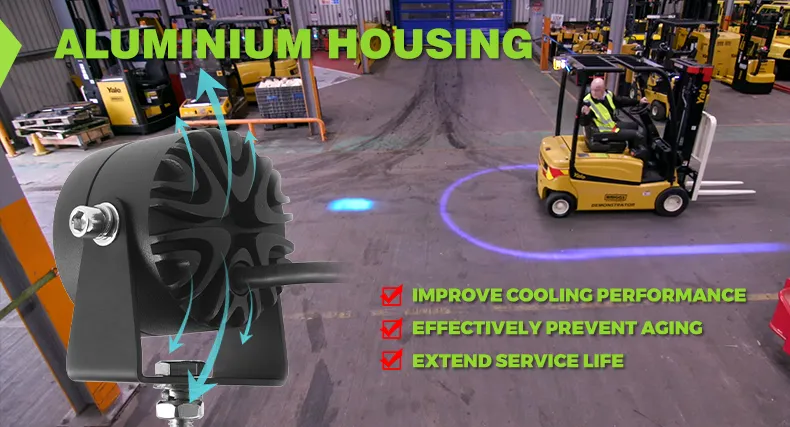
Visual alert systems are a foundational layer of forklift safety, projecting concentrated light beams or strobes to establish a clear safety perimeter around the vehicle. These systems are engineered for industrial use, featuring high-power LED chips, optical-grade polycarbonate lenses, and rugged housings with IP67 or IP68 ratings for dust and water resistance. By creating an unmistakable visual warning on the floor, these lights directly mitigate pedestrian collision risks, which constitute nearly 20% of all forklift-related accidents. Common configurations include blue or red spotlights that project ahead of or behind the vehicle and red zone lights that define a “keep out” area along the sides.
Audible Warning Alarms for Motion Detection
Audible alarms serve as a primary warning mechanism, automatically emitting loud, distinct tones whenever the forklift is in motion, especially when reversing. This provides an essential alert in environments with blind corners, busy intersections, or obstructed sightlines where visual warnings might be missed. While effective, their performance can be limited in high-noise facilities where multiple alarms may blend into the background, causing auditory fatigue and reducing worker responsiveness over time. They are most effective when integrated with other warning technologies.
Sensor-Based Proximity and Collision Avoidance Systems
Sensor-based systems represent the most advanced approach to forklift safety, using technologies like radar, ultrasonic, or LiDAR to actively detect personnel and obstacles in the vehicle’s path. Unlike passive alerts, these systems provide real-time feedback to the operator and can integrate directly with the forklift’s controls to automatically reduce speed when a potential collision is imminent. The data collected from these sensors is a valuable asset, feeding analytics platforms that identify operational risk patterns, highlight near-miss hotspots, and help predict future incidents before they occur.
Durable LED Work Lights for Any Job
Visual Warning Lights: Types, Strengths, and Limitations
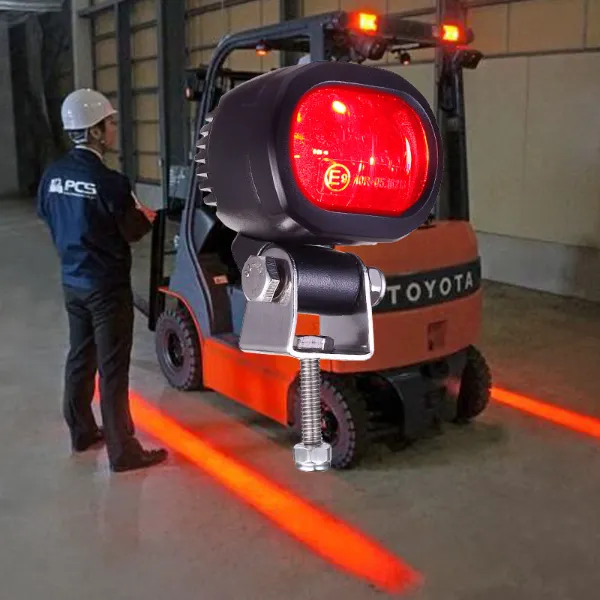
Visual warning lights offer proactive safety signals, yet their effectiveness hinges on ambient light conditions and clear, unobstructed floor space to function reliably.
LED Spotlights and Perimeter Line Lights
Visual warning systems serve two distinct functions. Spotlights, often projecting a bright blue dot, cast a concentrated beam onto the floor well ahead of or behind the forklift. This signal is highly effective for alerting pedestrians at blind corners and aisle intersections that a vehicle is approaching. In contrast, perimeter line lights, typically red, establish a clear “no-go” zone around the sides of the equipment. They project bright lines onto the floor, visually reinforcing the safe distance workers must maintain from the moving vehicle, which is critical in tight spaces or during complex maneuvers.
Effectiveness in Preventing Pedestrian Incidents
The primary strength of visual warnings is their ability to deliver clear, silent cues in loud industrial environments where audible alarms can be missed or become part of the background noise. Unlike static signage that relies on workers noticing and adhering to a fixed warning, projected lights operate proactively. The moving light actively signals a vehicle’s immediate path and presence, alerting workers *before* the equipment enters their personal space. This active alert system creates a more intuitive and difficult-to-ignore safety signal, directly addressing the visibility gaps common in busy warehouse operations.
Operational Limitations and Environmental Factors
Visual warning lights are not a standalone solution because their performance is highly dependent on the environment. The visibility of projected beams is significantly diminished in facilities with high ambient light or in direct sunlight during outdoor operations, rendering them almost useless. The system also requires a clear, unobstructed line of sight to the floor. Any physical obstructions, from pallets to machinery, will block the projection. Similarly, uneven, damaged, or highly reflective floor surfaces can distort or obscure the projected light, compromising its effectiveness. These limitations are why lights are typically integrated into a multi-layered system with sensors and alarms.
Proximity Sensors and Smart Collision-Avoidance Systems
These systems shift safety from reactive human compliance to proactive, automated intervention, directly addressing the root causes of forklift-pedestrian incidents before they occur.
Mitigating Risk Beyond Manual Protocols
Traditional safety measures like training, signage, and painted walkways depend entirely on human behavior and consistent protocol adherence. This approach is fundamentally reactive, as it fails to provide real-time visibility into daily operations, allowing near-misses to go unreported and unsafe patterns to persist. Smart collision-avoidance systems transition safety from this reactive model to a proactive, technology-driven intervention. By automating hazard detection and alerts, these systems reduce the facility’s dependency on individual compliance for incident prevention, creating a more reliable safety net.
Core Sensor Technologies in Use
Modern collision-avoidance systems employ a range of sensor technologies to monitor the area around a forklift. The most common platforms include ultrasonic, radar, and LiDAR sensors for detecting both personnel and physical obstacles. More advanced systems utilize Ultra-Wideband (UWB) and RFID technology for precise, real-time location tracking of tagged personnel and assets, even through walls or around blind corners. The fastest-growing segment integrates AI-powered camera systems that can accurately detect and differentiate between pedestrians and other objects in complex, dynamic warehouse environments, triggering alerts with millisecond responsiveness.
Operational Benefits and Data-Driven Insights
The primary benefit is a measurable reduction in incidents. Facilities implementing these systems report up to a 40% decrease in forklift-related incidents within the first six months. Beyond direct prevention, integrating Real-Time Location Systems (RTLS) provides powerful operational data. This technology enables detailed incident reconstruction and near-miss analysis by tracking movement patterns. It also allows for the creation of heatmaps that identify collision hotspots within the facility. This data transforms safety management, allowing managers to redesign workflows, adjust facility layouts, and implement targeted training based on empirical risk analysis rather than guesswork.
Integration Strategies for High-Traffic Warehouses
Effective integration layers real-time location systems with operational data, using telemetry to create a predictive safety model that anticipates and prevents collisions in congested zones.
Mapping High-Risk Zones for System Deployment
A successful deployment starts with data, not guesswork. Analyze operational data from your existing WMS and vehicle telematics to generate a facility heatmap. This map will immediately highlight recurring congestion points like blind corners, machine-aisle intersections, and pedestrian-heavy walkways. Prioritize system installation in these zones first, especially since data shows that nearly 20% of all forklift accidents involve pedestrians. Cross-reference your heatmap with historical incident reports and near-miss logs to validate these high-risk areas. This empirical approach ensures that safety investments are directed where they will have the greatest impact on reducing incidents.
Using Telemetry for Predictive Safety Analytics
The final layer of integration moves beyond real-time alerts into predictive safety analytics. Aggregate the operational telemetry from your RTLS, IMU sensors, and WMS to build a model that can anticipate high-risk scenarios before they result in an incident. Develop task execution dashboards that provide managers with a live, top-down view of vehicle locations, active alerts, and traffic density. Continuously analyzing these traffic patterns and near-miss data allows you to refine warning system parameters, such as adjusting geofenced speed limits or modifying alert zone dimensions during peak hours. This creates a data-driven feedback loop, ensuring your safety infrastructure evolves and adapts to your changing operational demands.
Final Recommendations by Warehouse Size and Risk Level
Matching safety system complexity to your warehouse’s operational scale and risk profile is the most direct path to cost-effective, practical accident prevention.
Configuration for Small Warehouses and Low-Risk Zones
For smaller facilities with straightforward layouts, focus on foundational visual alerts. Equip forklifts with high-intensity LED warning lights and headlights to maximize pedestrian visibility, especially in tight aisles or confined spaces. Prioritize lighting systems with a minimum IP67 rating to guarantee operational reliability against the dust and moisture common in these environments. The primary safety goal here is establishing clear lines of sight at intersections and loading docks. This can be achieved effectively by supplementing operator training with bright, directional lighting that clearly signals vehicle presence and movement without requiring complex infrastructure.
System Integration for Medium-Sized Operations
In mid-sized operations with mixed traffic—forklifts, pedestrians, and pallet jacks sharing floor space—a layered approach is necessary. Combine high-output visual systems (pushing 6000+ lumens) with audible backup alarms and basic proximity sensors to create 360-degree awareness. Implement zone-based lighting protocols, using distinct colors or flashing patterns to signal forklift activity in specific high-traffic areas or shared corridors. Durability becomes a key factor with higher operational tempos. Select lighting built with robust aluminum alloy housing to withstand the increased potential for minor impacts and ensure long-term performance.
Proactive Safety Systems for Large or High-Risk Facilities
Large-scale distribution centers and high-risk environments demand a fully integrated, proactive safety ecosystem. Here, vehicle lighting should be integrated with a Real-Time Location System (RTLS) to automate alerts and create dynamic danger zones that adapt to vehicle and pedestrian locations. Deploying AI-powered pedestrian detection cameras is the next step; these systems can identify a person in the vehicle’s path and automatically trigger synchronized flashing from the forklift’s warning lights. This moves safety from reactive to predictive. The operational data gathered from these integrated systems is invaluable for analyzing near-miss events and proactively refining safety protocols, traffic flow, and lighting configurations based on empirical evidence.
Conclusion
Choosing between warning lights, audible alarms, and proximity sensors depends on your warehouse’s specific layout, traffic density, and budget. The right system directly reduces pedestrian incidents and equipment collisions, creating a safer, more predictable work environment. A layered approach often provides the most robust protection for both personnel and assets.
Use this comparison to assess the current safety systems on your fleet and identify potential gaps. If you are exploring upgrades or need certified lighting solutions for your equipment, our team can provide a full product catalog to match your operational requirements.
Frequently Asked Questions
How to Choose the Right Forklift Warning System
Choosing the right system involves assessing your facility’s specific risks. Consider the technology that best fits your needs, such as AI-powered pedestrian detection for busy areas, proximity sensors (ultrasonic, radar, LiDAR) for distance alerts, or Real-Time Location Systems (RTLS) for high-accuracy tracking. You can also implement active warnings like lights and alarms or advanced data-driven platforms that use predictive analysis to help you anticipate where and when accidents are most likely to occur.
Why Do You Need a Forklift Warning System?
A forklift warning system is crucial because, according to OSHA, 70% of forklift accidents are preventable. With nearly 11% of all forklifts involved in accidents annually and thousands of serious injuries, these systems address the root causes like poor visibility and lack of real-time awareness that traditional methods miss. Warehouses using advanced systems like RTLS have reported up to 40% fewer incidents, demonstrating a proactive approach to preventing accidents before they happen.