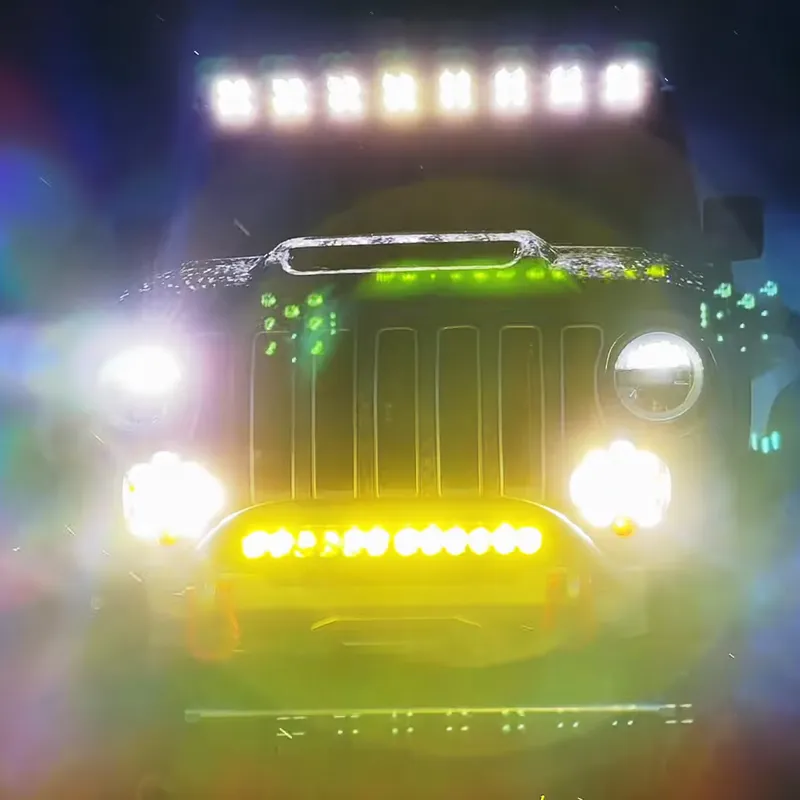
Choosing the best LED light bars for off-road trucks is the critical planning step that separates a safe, successful trail run from one ending in vehicle damage and a costly recovery mission. Standard factory headlights are insufficient for identifying hidden washouts, deep ruts, or other trail hazards after dark. A poorly configured lighting system doesn’t just limit your speed; it creates a significant operational risk, jeopardizing expensive equipment and personnel in remote environments where self-reliance is the only option.
This guide provides a technical framework for engineering your complete lighting system, not just picking a product from a list. We will analyze the key factors that determine performance, from selecting the right size and beam pattern to avoid dangerous hood glare to evaluating build quality and weatherproofing for long-term reliability. The goal is to establish a clear procedure for making an informed investment that guarantees visibility and safety on any terrain.
Introduction: Planning Your Complete Off-Road Lighting System
A systematic lighting plan based on primary terrain, strategic layering, and electrical capacity is the foundation for reliable off-road performance and safety.
Assessing Primary Driving Environments and Conditions
Effective lighting design starts with an honest assessment of how you use the vehicle 80% of the time. The terrain dictates your priorities. Tight forest trails demand wide-area flood patterns to illuminate obstacles on the periphery. Open deserts require long-range spot beams for high-speed visibility and reaction time. If your operations frequently involve adverse weather, dedicated lights for fog, rain, or heavy dust are not optional—they are a core system requirement. The goal is to match the entire lighting configuration to the vehicle’s most common operational scenarios, not just edge cases.
Applying a Multi-Light Layering Strategy
A single light source creates visibility gaps. A modern, effective system relies on layering different beam patterns to create a comprehensive field of view. This strategy combines multiple light types to ensure seamless coverage from the immediate foreground to the furthest visible point. A typical setup includes:
- Spotlights: Provide a narrow, focused beam for maximum distance penetration.
- Floodlights: Cast a wide beam (often 60 to 120 degrees) to illuminate the areas immediately surrounding the vehicle.
- Driving/Combination Lights: Offer a balanced blend of distance and spread, filling the gap between spot and flood patterns.
This layered approach provides functional redundancy. If one light or circuit fails, you still have adequate illumination from the other layers to operate safely.
Factors to Consider When Choosing an LED Light Bar
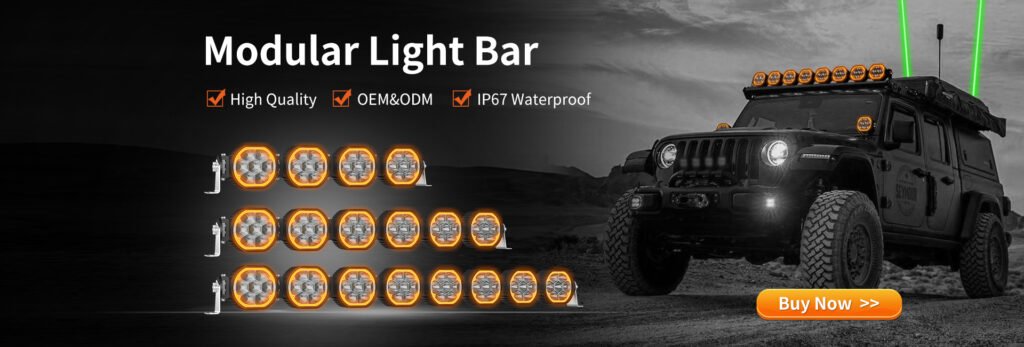
Selecting the right LED light bar requires a systematic evaluation of beam optics, material durability, and electrical compatibility to ensure reliable performance in specific operational environments.
Evaluate Beam Pattern and Optical Design
The beam pattern dictates where the light is projected. Spot beams provide focused, long-range illumination for high-speed visibility. Flood beams create a wide area of light for low-speed trail navigation or work sites. Combination patterns, the most versatile option, integrate both spot and flood optics into a single bar. Beyond the pattern type, verify the quality of the optical engineering. Professional-grade light bars use optical simulation systems to calibrate the beam, ensuring precise light placement without creating hazardous glare. The lens material is also a key factor; optical-grade polycarbonate offers high impact strength and resistance to UV yellowing, preserving clarity over time.
Assess Luminous Flux and Effective Illumination Range
Luminous flux, measured in lumens, quantifies the total light output of the bar. A typical range for professional off-road use is between 6,000 to 12,000 lumens, but this raw number doesn’t tell the whole story. The critical metric is the effective illumination range, which must align with your primary application. High-speed desert driving requires a functional range of over 200 meters, while slower technical trail use prioritizes wider, closer coverage. For a true performance comparison, look for photometric data showing light intensity (lux) at specific distances. This tells you how much usable light actually reaches the target, a far better indicator than raw lumens alone.
Verify Material Construction and Thermal Management
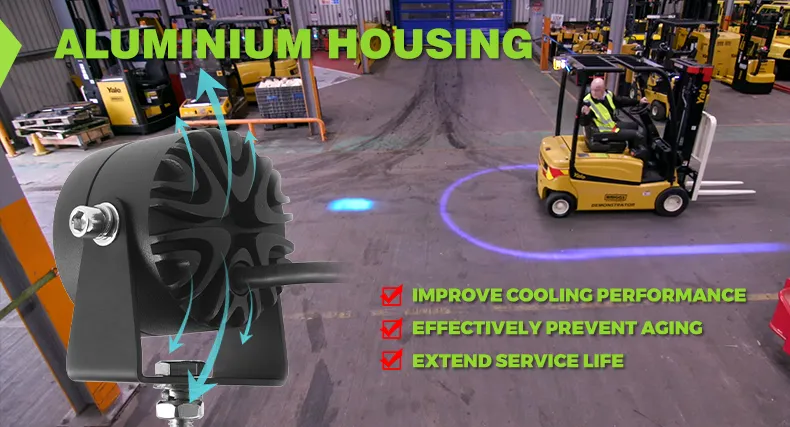
LED performance and lifespan are directly tied to thermal management. The housing, typically made from a durable aluminum alloy, acts as a heat sink to dissipate the thermal energy generated by the LEDs. An effective design with integrated cooling fins is essential to prevent overheating and lumen degradation during prolonged use. The surface finish is equally important for longevity. Powder coating or anodizing provides a protective layer against corrosion from moisture, salt, and road debris, ensuring the structural integrity of the housing.
Confirm Durability and Environmental Resistance Ratings
To ensure reliability in harsh conditions, check for key industry ratings and certifications.
- Ingress Protection (IP) Rating: An IP67 rating confirms the linkable light bar is dust-tight and can withstand temporary water immersion up to one meter. An IP68 rating indicates protection against continuous immersion, making it suitable for the most demanding wet environments.
- Operational Temperature Range: A wide operational range, such as -40 °C to 105 °C, ensures the light will function consistently in extreme cold or heat without component failure.
- Regulatory Certifications: Compliance marks like ECE for Europe or DOT for North America validate that the light bar meets regional standards for road safety, construction, and optical performance.
Review Electrical System Compatibility and Power Draw
Before purchasing, confirm the light bar is compatible with your vehicle’s electrical system. Modern trucks and SUVs may require CANBUS integration to avoid error codes. Assess the amperage draw to ensure your alternator and battery can handle the additional load without being strained. Finally, inspect the included wiring harness. A quality harness should feature correctly gauged wires, weatherproof connectors, and integrated components like relays and fuses to protect both the light bar and the vehicle’s electrical system from power surges.
High-Performance LED Work Lights Built Tough
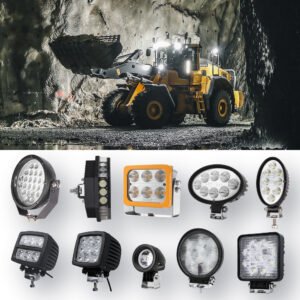
Top LED Light Bars by Size and Performance Tier
Matching light bar size to your vehicle and performance tier to its primary use-case ensures optimal visibility and durability without overspending on unnecessary output.
Compact Bars (6-20 Inch) for Trail and Area Illumination
Compact bars are engineered for near-field and peripheral visibility on technical trails. These smaller units, typically 6 to 20 inches, use wide flood beam patterns to illuminate the sides of a path, which is critical for navigating tight corners and identifying obstacles. To withstand harsh conditions, they are built to IP67 or IP68 standards for complete dust and water ingress protection. An impact-resistant Polycarbonate (PC) lens is standard, defending the LEDs from direct strikes by branches or debris. Their smaller form factor is ideal for bumper, grille, or A-pillar mounting on SUVs and UTVs where larger bars would be impractical.
Full-Size Bars (30-50 Inch) for High-Speed Distance
Full-size light bars, from 30 to over 50 inches, are designed for maximum forward projection in open, high-speed environments. They primarily use combination or pure spot beams to achieve effective illumination distances exceeding 200 meters. With lumen outputs often reaching 12,000 or more, these bars provide the visibility needed for safe navigation across open terrain. Structural integrity and thermal management are critical, which is why they are constructed with robust aluminum alloy housings that double as effective heat sinks. These larger bars are best suited for roof or main grille mounting on full-size trucks and dedicated off-road platforms.
Auxiliary Pods for All-Weather and Specialized Use Cases
Auxiliary pods are not a primary light source but a critical component in a layered lighting system. They address specific visibility gaps that a main light bar cannot, such as providing targeted light for ditches, A-pillars, or rear-facing work applications. Pods are available with dedicated beam patterns, including wide fog beams that cut through dust and inclement weather without creating glare. For certain on-road uses, many pods are engineered to meet strict ECE and DOT standards, making them a road-legal and functional addition to any vehicle’s lighting setup.
How to Maximize Your LED Light Bar’s Performance
Achieving peak light bar output requires precise alignment, stable power delivery, and routine maintenance—not just high lumen ratings.
Calibrating Beam Alignment for Your Terrain
Effective light bar performance starts with matching the beam pattern to your most common operating environment. For high-speed driving in open areas, a focused spot beam provides critical long-distance visibility. For navigating tight, technical trails, a wide flood beam illuminates peripheral hazards. A combination beam offers a versatile balance for mixed-use vehicles. Once mounted, physically adjust the light bar’s vertical angle to concentrate illumination on the path ahead. This prevents wasted light and eliminates reflective glare from your vehicle’s hood, a common issue with improper aiming. Professional-grade light bars use precision optics, calibrated via optical simulation systems, to guarantee a focused beam with minimal light scatter and maximum usable output.
Securing Consistent Electrical Power
An LED light bar is only as good as the power it receives. Voltage drop from undersized wiring is a primary cause of reduced brightness and premature failure. To ensure your system receives full power and operates safely, follow these critical wiring protocols:
- Use Correct Wire Gauge: Use the recommended wire gauge from the wiring harness, typically 12-gauge for multiple or high-power lights, to prevent overheating and ensure stable current delivery. A dedicated relay is essential to protect the vehicle’s factory circuits from high amperage draw.
- Implement Circuit Redundancy: When installing multiple lights, wire them into at least two separate circuits. This strategy ensures you retain partial lighting if a fuse blows or one circuit is compromised on the trail.
- Weatherproof All Connections: Secure every connection point and protect it from moisture using adhesive-lined heat shrink tubing. Water intrusion is a leading cause of electrical shorts and system failure in harsh off-road conditions.
Preserving Optical and Thermal Systems
Long-term performance depends on maintaining the light bar’s physical systems. Routinely clean the optical-grade polycarbonate lens to remove dirt, mud, and road grime, as any buildup will significantly reduce light transmission and overall output. Equally important is keeping the aluminum housing and its heat sink fins clear of mud or debris. Unobstructed airflow is critical for efficient heat dissipation, which directly impacts LED brightness and operational lifespan. Finally, periodically inspect all mounting hardware to ensure it remains tight, and check that the IP67 or IP68 rated seals are intact to prevent moisture ingress and damage from vibration.
Frequently Asked Questions
What size LED light bar should I run on my truck bumper or roof?
The ideal light bar size depends on the specific size and configuration of your truck or SUV. More importantly, the choice should be driven by your primary driving environment. Tight forest trails benefit from wide area lighting, whereas open desert driving requires long-range distance beams for high-speed visibility. A comprehensive plan starts with assessing your vehicle and typical terrain first.
Single‑row vs dual‑row: which is better for off‑road use?
Modern off-road lighting best practices emphasize a multi-light, layered setup over focusing on a single light source’s specifications like row count. An effective system combines different light types and beam patterns—such as spotlights for distance and floodlights for wide area coverage—to ensure adequate illumination across all driving situations.
How do I avoid hood and windshield glare from my light bar?
Properly selected mounting solutions significantly impact system performance and reliability. Choosing the right hardware for your vehicle, whether it’s surface mounting, clamp mounting, or specialized vehicle-specific brackets, is a critical planning consideration. A correct mounting strategy ensures lights are positioned effectively to minimize unwanted effects like glare.
What brands/build features separate good bars from cheap ones?
An effective off-road lighting system is built on a systematic, layered approach rather than the features of a single component. The core planning framework prioritizes assessing your driving environment (80% of use), layering complementary beam patterns, and ensuring safe wiring. The success of the total system design is more critical than any individual light’s brand.
How should I wire multiple light bars and pods safely?
For multi-light setups, experts recommend wiring at least two separate circuits or relays. This approach ensures safety and redundancy, guaranteeing partial system functionality if one circuit becomes compromised during use.